Corporate news_Daikin World Air Survey 202_How people are adapting to heat
PDF | 916.24KB


Daikin Industries, Ltd., a global leader in HVAC-R solutions, has published the results of its second Daikin World Air Survey. Based on responses from 1,200 air conditioner owners in 12 cities worldwide, the survey examines perceptions of heat, heat-related changes in daily behaviour and air conditioning use.
In recent years, record temperatures and heatwaves have become more frequent worldwide. According to the National Oceanic and Atmospheric Administration (NOAA), 2024 was the warmest year on record globally, while 2023 and 2025 ranked second and third, respectively.1) As rising temperatures increasingly affect daily life, health and cooling needs, the survey explores how people are adapting to a hotter world.
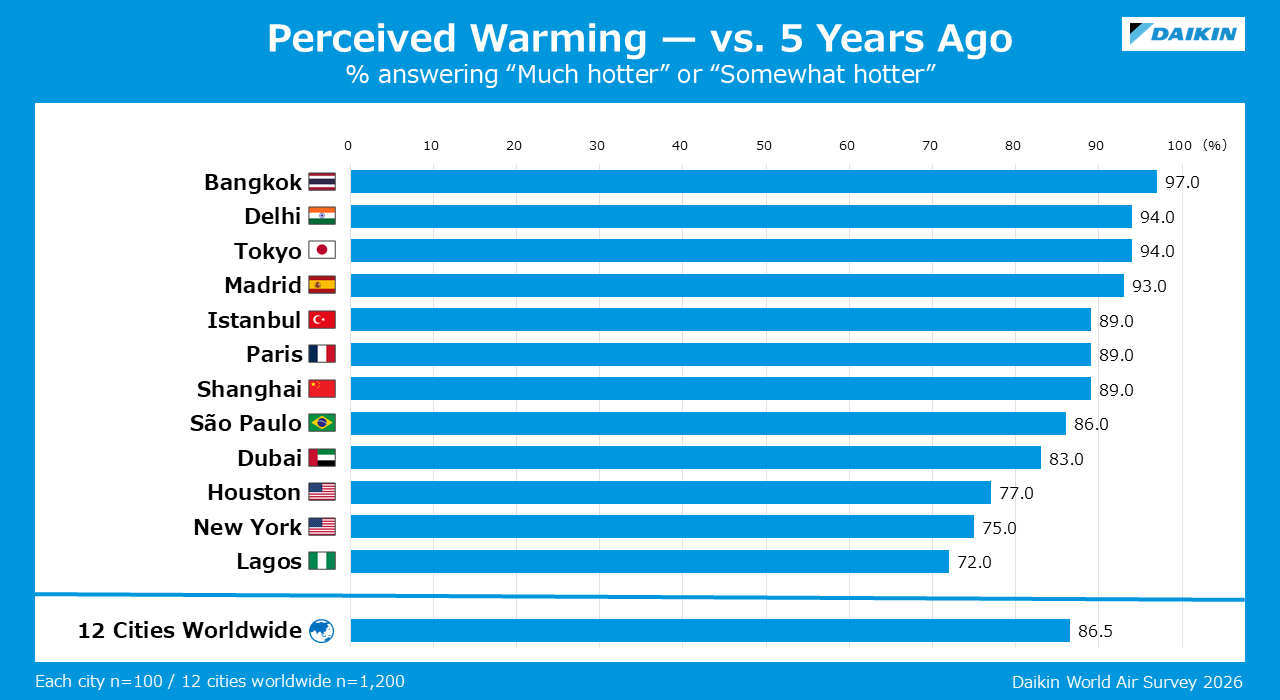
Across the 12 cities surveyed, 86.5% of respondents reported that their area had become hotter over the past five years. By city, the highest share was recorded in Bangkok, Thailand, where 97.0% of respondents said conditions had become hotter, followed by, Delhi, India, and Tokyo, Japan, both at 94.0%. Madrid, Spain, and Paris, France, were also above the overall average, with around 90% of respondents reporting that their area had become hotter.
Notably, the Daikin World Air Survey was conducted in May 2026, before the major heatwaves that affected Europe in June and July 2026, indicating that the perception of rising heat was already widespread at the time of the survey.
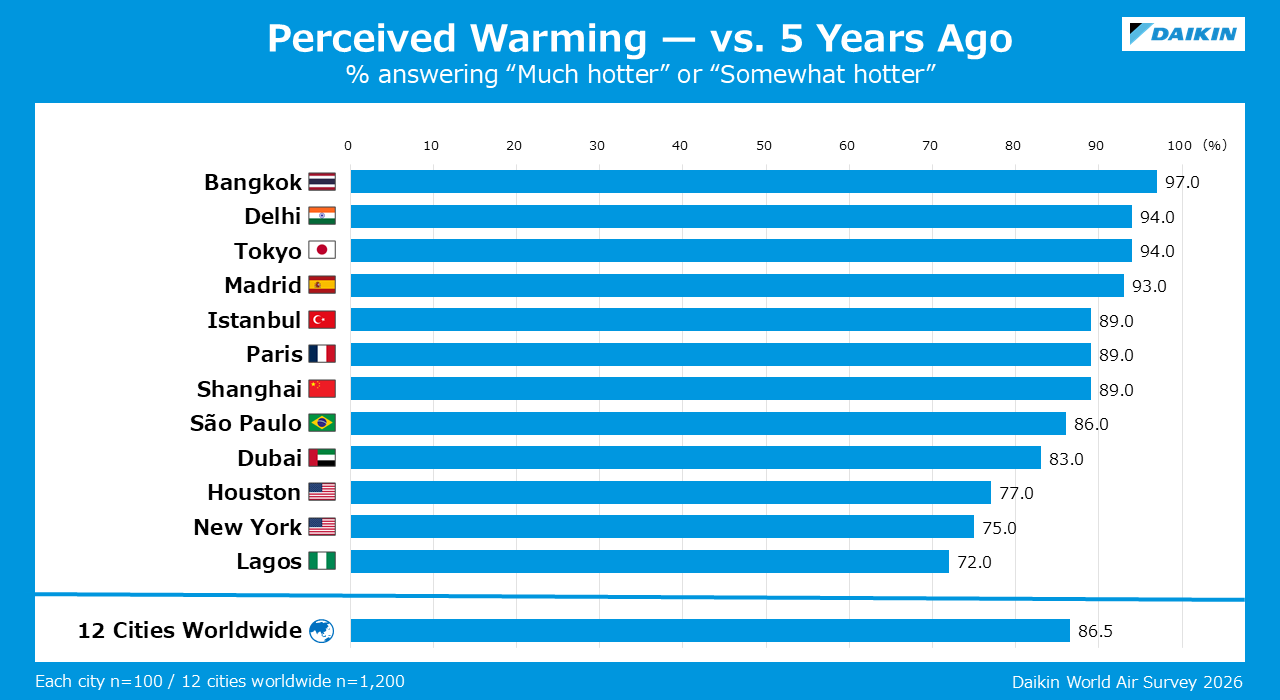
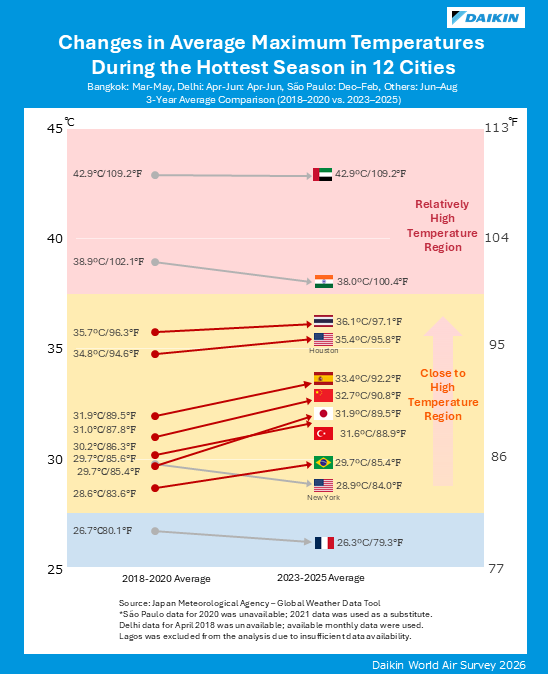
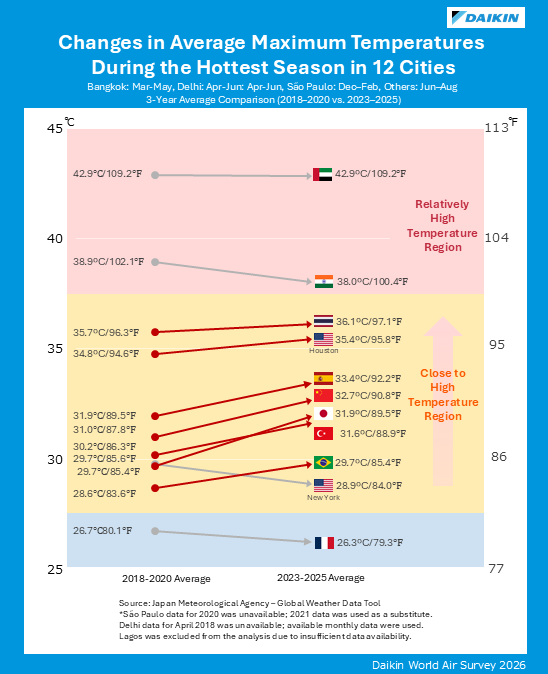
Data from the Japan Meteorological Agency show that Bangkok and Delhi, where many respondents perceived their area to be hotter than five years ago, are among the warmest of the 12 cities surveyed. While maximum temperatures in Bangkok have continued to trend upward in recent years, Delhi has experienced a slight decline.
These findings suggest that perceptions of rising heat are not necessarily driven by maximum temperatures alone. Because temperatures fluctuate considerably across seasons and years, people may also be influenced by other indicators of heat, including the frequency and intensity of heatwaves, the number of extremely hot days, and the occurrence of tropical nights.
Dubai, UAE, recorded the highest average maximum temperature among the 12 cities, exceeding 40.0°C/104.0° F. By contrast, Paris had an average maximum temperature around 26.0°C/78.8°F, lower than many of the other cities surveyed, despite experiencing severe heatwaves this year. This highlights the fact that Paris has historically had a more moderate summer climate than many of the hotter regions included in the survey.
According to the Copernicus Climate Change Service (C3S), Europe is the fastest-warming continent globally and June 2026 was the hottest June on record in western Europe2). As extreme heat becomes more frequent, attention is increasingly turning to how homes, buildings and cities can adapt to a warmer climate.
Although the Daikin World Air Survey was conducted between 29 May and 5 June 2026, respondents in Paris and Madrid were already reporting growing exposure to increased heat and longer cooling seasons before the major heatwaves that affected their region later that summer. Public concern about heat-related health risks, cooling needs and climate adaptation may have increased further following these extreme weather events.
In Madrid, 93% of respondents said their area had become hotter than it was five years ago, while 89% of respondents in Paris shared the same view. In addition, 87% of respondents in Madrid and 75% in Paris reported that their cooling season had become longer. These findings suggest that cooling is becoming an increasingly important aspect of adapting to life in a warmer climate, even in regions that have traditionally experienced more moderate summer temperatures.

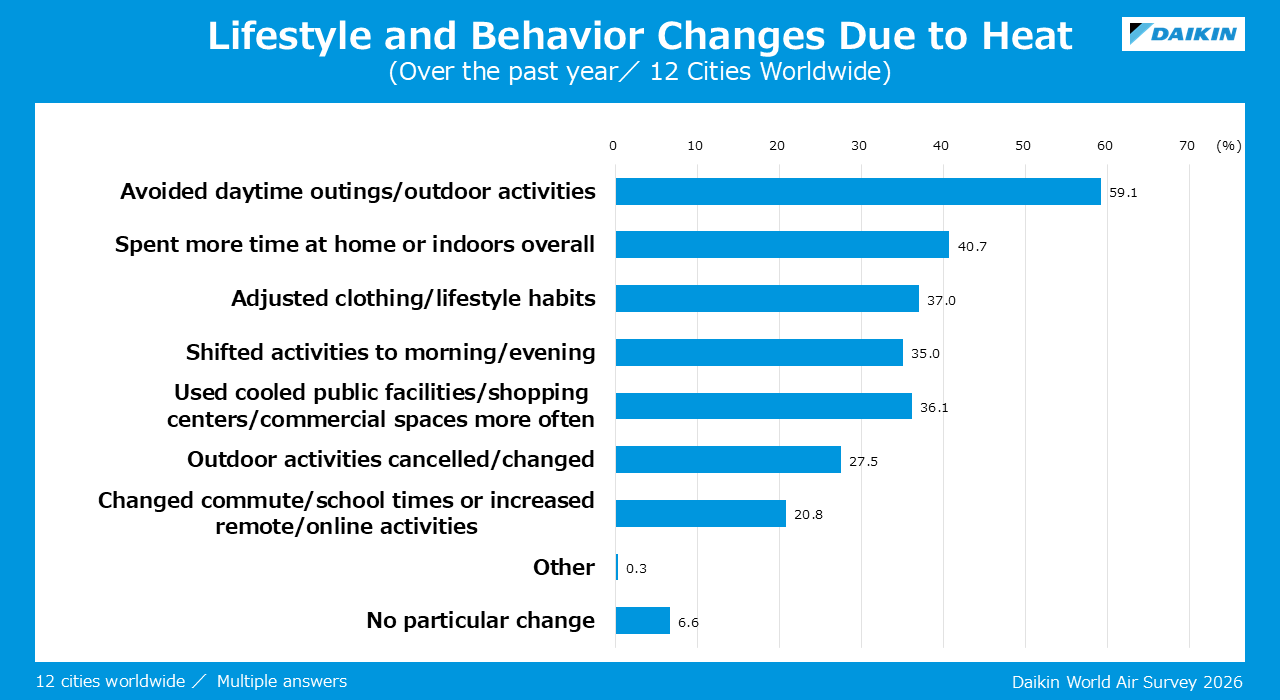
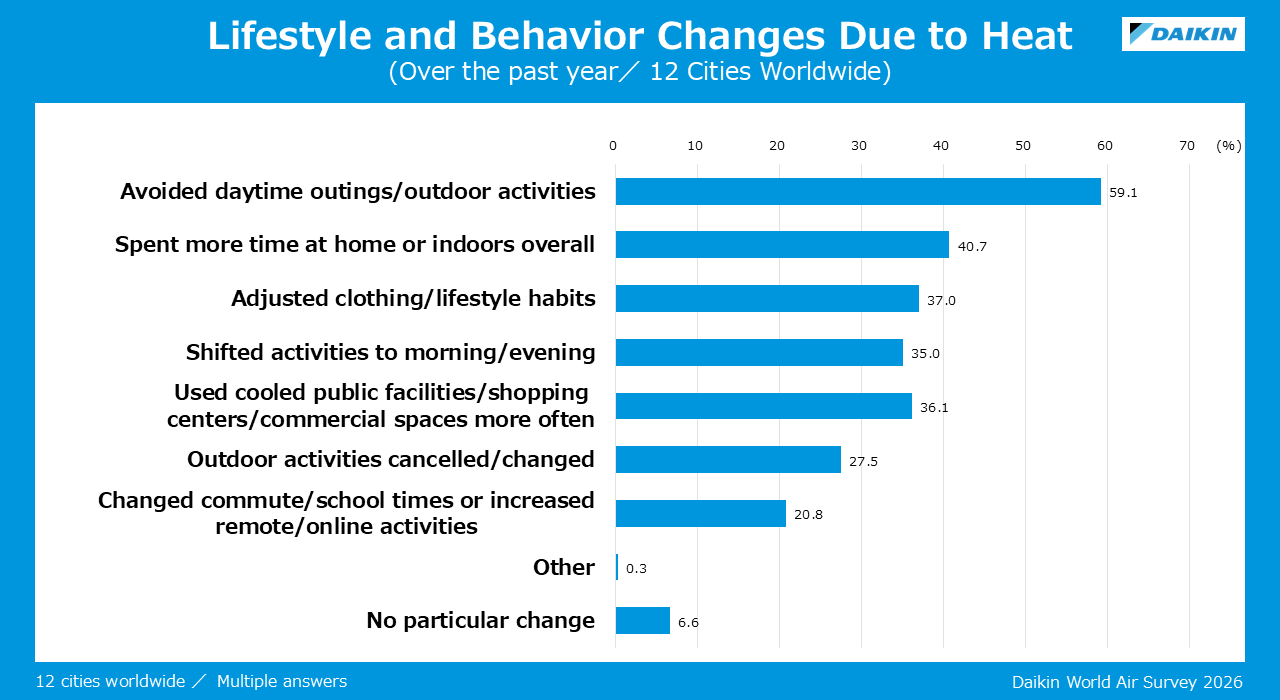
According to the Daikin World Air Survey 2026, heat is also influencing daily routines. When asked, “Over the past year, have you or any of the family members you live with changed your lifestyle or behaviors due to the heat?”, the most common response across the 12 cities surveyed was, “I have avoided going out during the day or taking part in outdoor activities,” cited by 59.1% of respondents. The highest shares were recorded in Istanbul, Turkey (74%), Bangkok, Thailand (73%), and Delhi, India (70%).
The second most common response was, “I have increased the amount of time I spend at home or indoors,” selected by 40.7% of respondents. Other common adaptations included changing clothing choices, showering more frequently, using air-conditioned public facilities, and shifting activities to cooler times of the day. Together, these findings suggest that heat is increasingly influencing everyday routines and behaviors, extending its impact beyond physical discomfort alone.
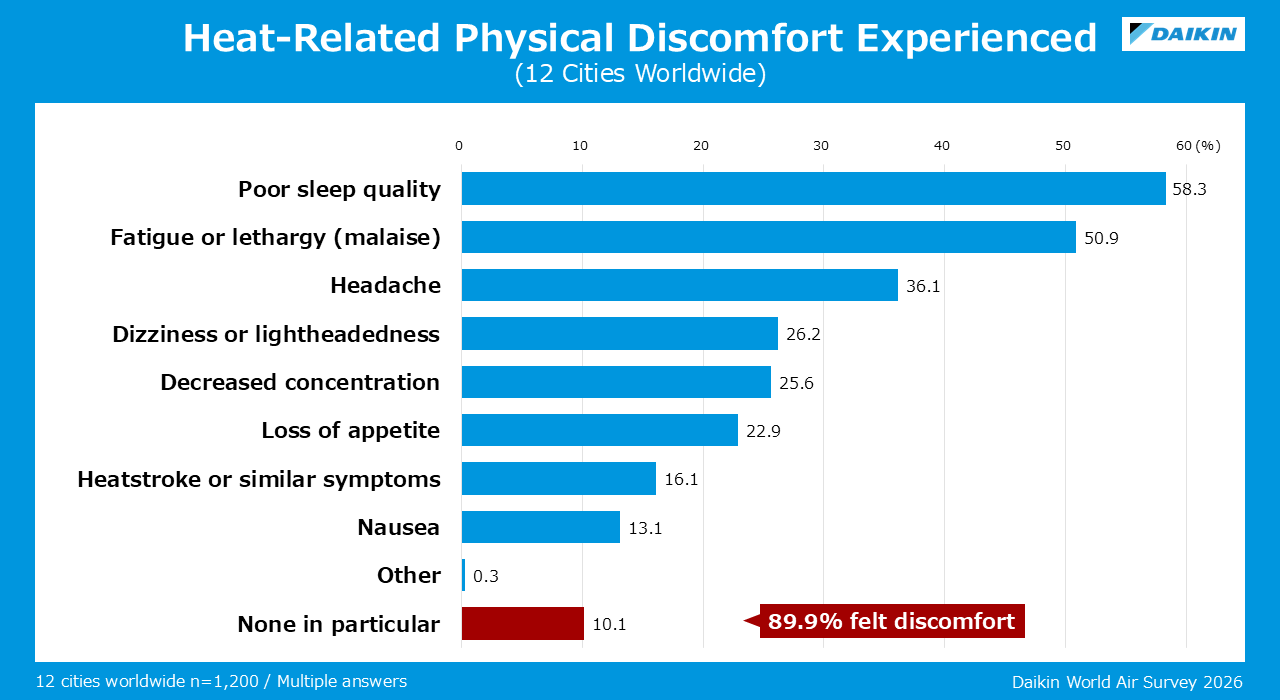
The Daikin World Air Survey 2026 shows that heat appears to affect not only how people perceive changes in their local climate, but also their health and daily lives. When asked, "Have you ever experienced physical discomfort that you think was caused by heat?", 89.9% of respondents across the 12 cities surveyed said they had experienced some form of heat-related physical discomfort.
The most commonly reported effect was a decline in sleep quality (58.3%), followed by fatigue or sluggishness (50.9%) and headaches (36.1%). While these symptoms may not be as severe as heatstroke, poor sleep can affect rest and recovery, contributing to fatigue, daytime drowsiness, reduced concentration and lower productivity.
As periods of extreme heat become more frequent, the findings highlight the importance of protecting people from heat exposure throughout the day and night. Measures that help maintain comfortable indoor environments may play an increasingly important role in supporting health, well-being and daily activities in a warming climate.
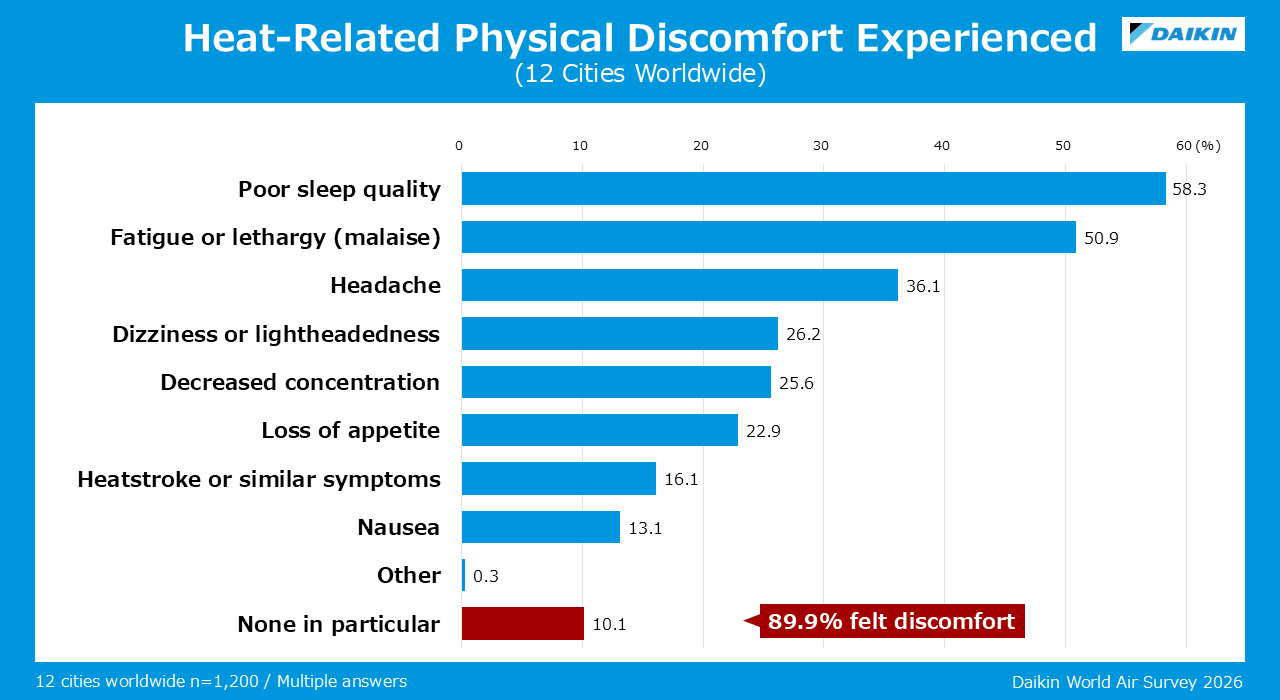
Extreme heat affects more than comfort. It can influence sleep quality, daily activities and overall well-being, while also increasing serious health risks. According to the World Health Organization (WHO), studies estimate that approximately 489,000 heat-related deaths occur worldwide each year. Heat can trigger heat exhaustion and heatstroke, and increase a range of health risks, including cardiovascular and respiratory diseases.3)
In the Daikin World Air Survey 2026, 89.9% of respondents across 12 cities reported experiencing some form of heat-related physical discomfort. As the world becomes hotter, the effects of heat are increasingly being felt not only through changing weather patterns, but also in people’s health, well-being and everyday lives. Ensuring access to energy-efficient and affordable cooling will increasingly become both a public health and societal challenge.
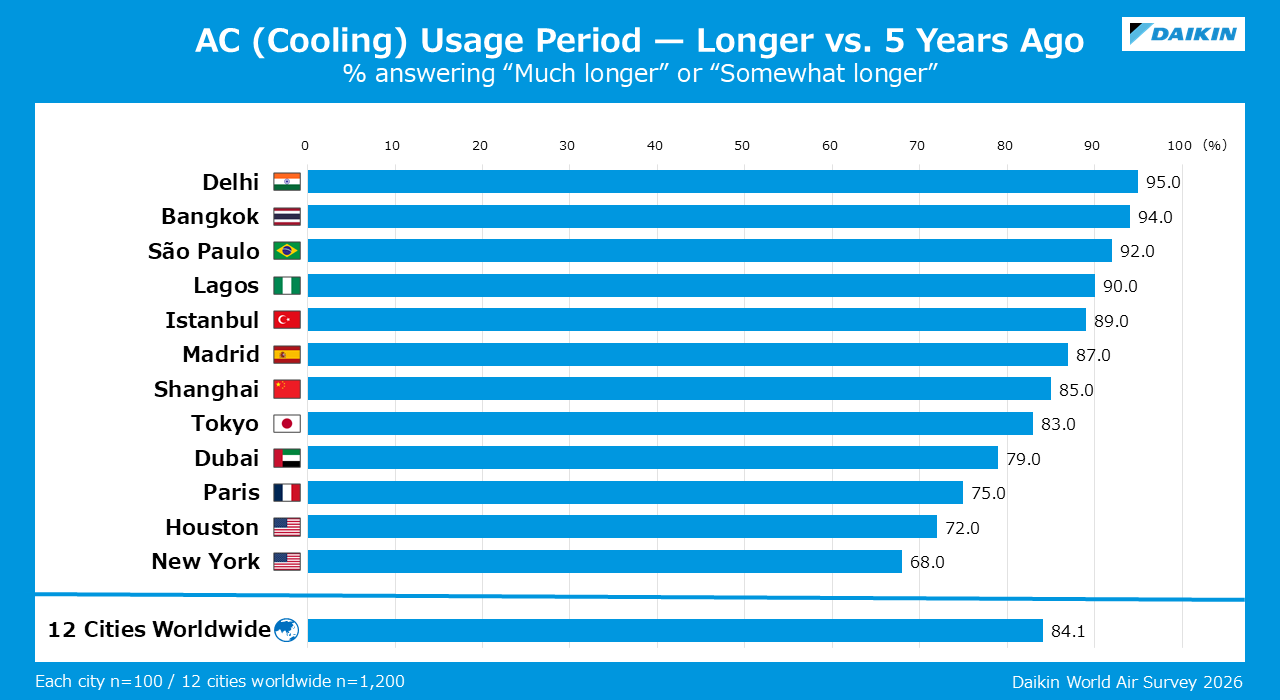
As behavior changes in response to heat, the way people use air conditioning is also changing. When asked, “Compared with five years ago, how has the period during which you use air conditioning for cooling, from the start to the end of use within a year, changed?”, 84.1% of respondents across 12 cities said it has become longer. By city, the highest shares were in Delhi, Bangkok, and São Paulo, Brazil.

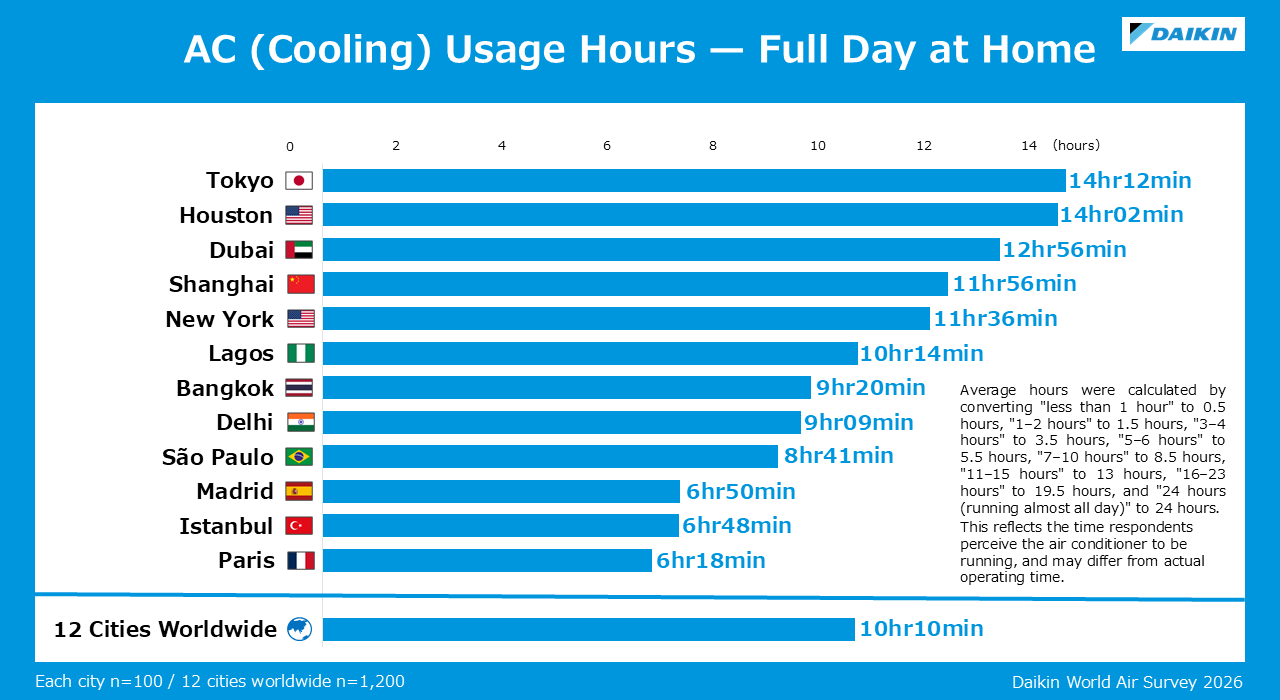
When respondents were asked how many hours they use air conditioning for cooling when spending a full day at home during the hottest time of year, the longest average usage time was in Tokyo, at 14 hours and 12 minutes. This was followed by Houston, United States, at 14 hours and 2 minutes, Dubai at 12 hours and 56 minutes, Shanghai, China, at 11 hours and 56 minutes, and New York, United States, at 11 hours and 36 minutes.

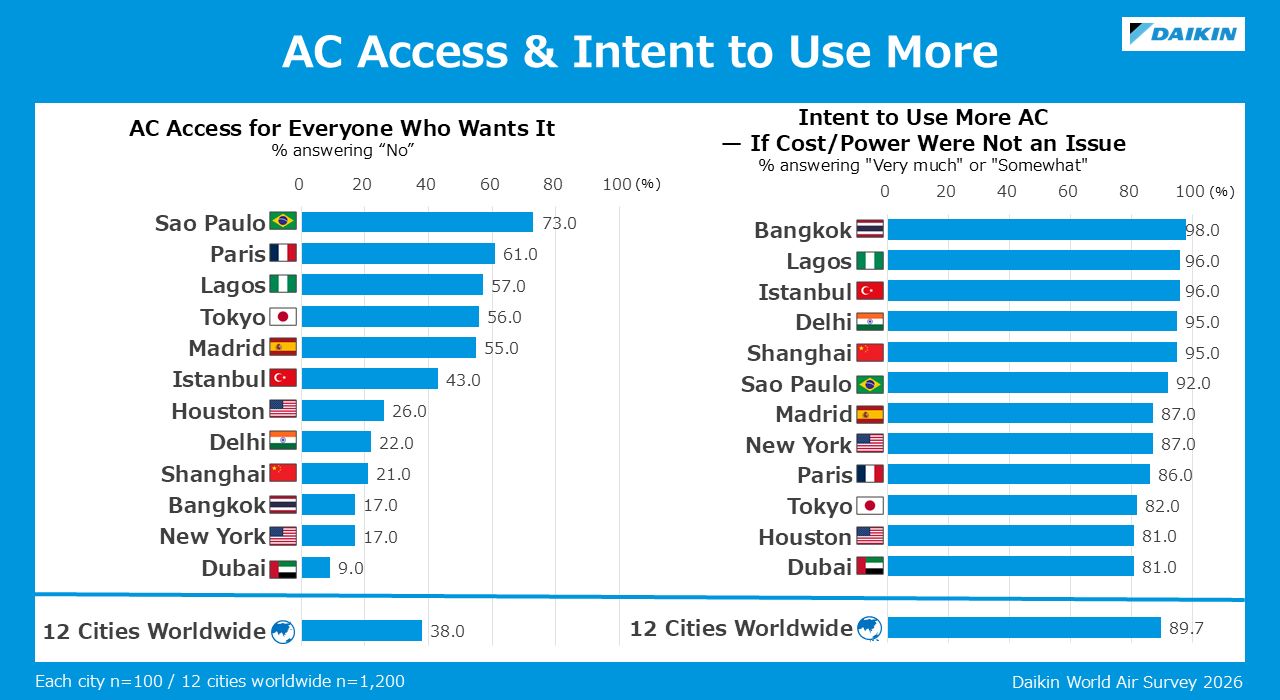
The Daikin World Air Survey 2026 found that air-conditioning use is increasing around the world, but not everyone is able to use cooling as much as they need or would like. When asked, “Do you think everyone who wants to use air conditioning in your country or region is actually able to do so?”, more than 60% of respondents across 12 cities answered “Yes.” At the same time, in São Paulo, Paris, Lagos, Tokyo, and Madrid, more than half answered “No,” indicating that many people do not believe everyone who wants to use air conditioning is actually able to do so.
Looking at the respondents themselves, all of whom owned an air conditioner at home, the survey asked, “If it were not for high electricity costs or power supply constraints, would you want to increase your use of air conditioning for comfort or health reasons?” Across the 12 cities, 89.7% of respondents said they would, either “Very much” or “Somewhat.”
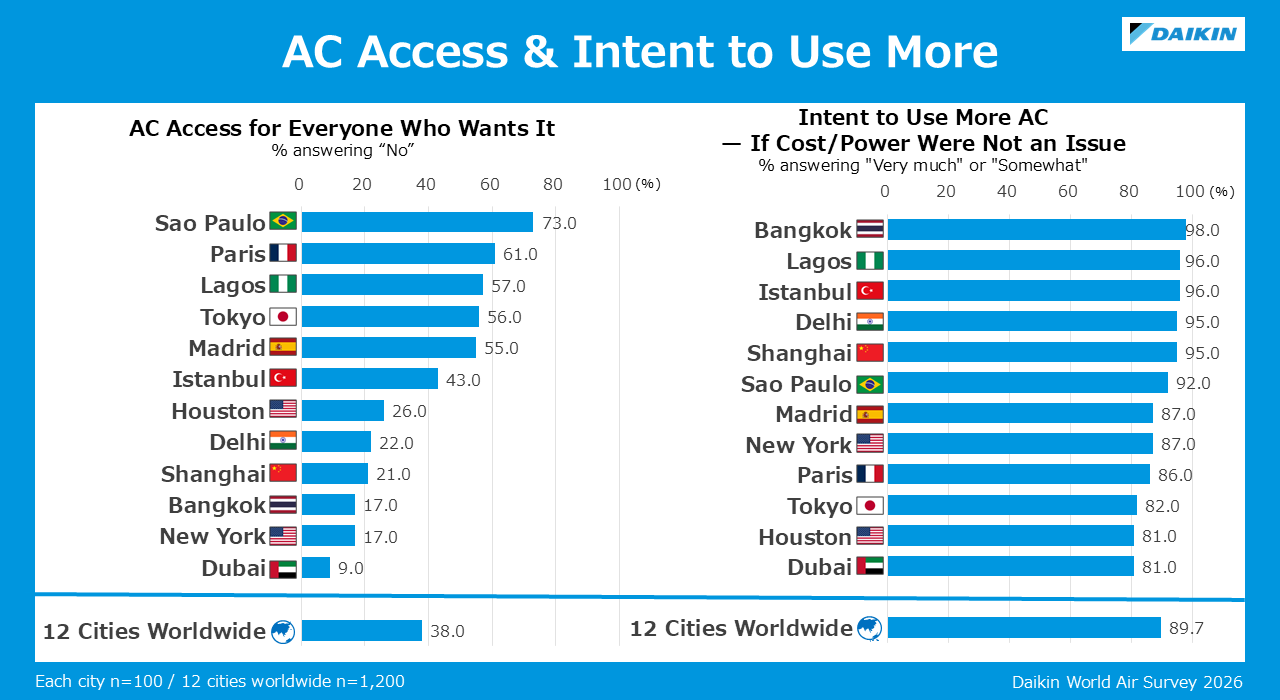
As temperatures rise around the world, access to cooling is becoming increasingly important. The International Energy Agency (IEA) points out that only about 15% of people living in hot climates own an air conditioner, and affordability remains a major challenge in many parts of the world.4)
This challenge is also reflected in the Daikin World Air Survey 2026: Across 12 cities, 64.4% of respondents said they sometimes cannot use air conditioning as much as they would like because of factors such as electricity costs or power supply constraints. Addressing access to cooling is not only an energy challenge, but also a public health and climate resilience challenge, particularly for those most vulnerable to increasing heat risks.
As cooling demand grows, broader access to affordable cooling will depend on reliable power infrastructure and measures that help reduce energy use. The key challenge is not whether cooling is needed, but how to make it affordable, reliable and less energy intensive.

Daikin has conducted the Modern People’s Air Survey in Japan to reveal how people today think about air and what issues they face, and to encourage broader interest in air, a subject that is often taken for granted. Since the survey began in 2002, Daikin has conducted 28 surveys and shared a wide range of topics related to air.
As Daikin’s overseas business ratio now exceeds 80%, the company expanded the survey globally in 2024 and conducted the first Daikin World Air Survey to encourage more people across borders to pay attention to air and to air conditioners, which help create comfortable indoor air environments.
The second Daikin World Air Survey was conducted amid growing global interest in heat. It surveyed people living in 12 cities across 11 countries about their perceptions of recent heat, changes in daily life and behavior caused by heat, actual use of air conditioning, impacts on sleep and health, energy-saving awareness, and challenges related to using cooling. As the world becomes hotter, air conditioning is becoming increasingly important not only as a home appliance that creates a comfortable indoor environment, but also as something that supports daily life and health.
Through this survey, Daikin aims to shed light on how air environments, air-conditioning usage, and approaches to heat differ by country and region, and to provide an opportunity to think about air environments that help people around the world live comfortably and healthily.
Modern People’s Air Survey website (in Japanese): https://www.daikin.co.jp/air/life/survey
The way air conditioners are used varies greatly depending on the climate, housing style, etc. of the area, including the average air temperature and the highest and lowest air temperatures throughout the year. In this survey, Daikin Industries selected the cities to be surveyed by taking into consideration the climate and geographical balance.
| Main body conducting the survey | Daikin Industries, Ltd. |
| Survey method | Internet-based questionnaire |
| Survey respondents | 100 people in their 20s to 60s in each city who have air conditioners at home |
| Subject cities and survey period | Houston, United States / May 29 to June 5, 2026 New York, United States / May 29 to June 5, 2026 Paris, France / May 29 to June 5, 2026 Madrid, Spain / May 29 to June 5, 2026 Istanbul, Turkey / May 29 to June 5, 2026 Lagos, Nigeria / May 29 to June 5, 2026 São Paulo, Brazil / May 29 to June 5, 2026 Dubai, United Arab Emirates / May 29 to June 5, 2026 Delhi, India / May 29 to June 5, 2026 Bangkok, Thailand / May 29 to June 5, 2026 Shanghai, China / May 29 to June 5, 2026 Tokyo, Japan / May 29 to June 3, 2026 |
References:
Copyrights pictures: Daikin
About
100+ years Daikin
The story of Daikin has always been shaped by groundbreaking ideas, technological innovations, and dedicated people. It began in 1924 when the young Japanese engineer Akira Yamada founded an enterprise in Osaka to manufacture aircraft radiators with a 15-member team. More than 100 years later, the Daikin Industries group brings future-proof solutions for heating, cooling, ventilation, air purification, and refrigeration (HVAC-R) to global markets.
Read more on 100 Years Daikin
Daikin Industries Ltd.
Daikin Industries is a global leader in heat pump, air conditioning and air filtration technology, employing more than 104,000 people. Founded in Osaka in 1924, it is the only manufacturer in the world that develops and manufactures HVAC-R equipment, compressors and refrigerants in-house. Daikin has been recognized as one of the world’s top 100 innovative companies by Clarivate (UK) and LexisNexis (USA) for its leadership in technology research and intellectual property patents. For its fiscal year 2025 (1 April 2025 – 31 March 2026) Daikin reported a sales result of 28,66 billion euro sales.
Read more on www.daikin.com
Daikin Europe N.V.
The Daikin Europe group is a leading provider of heating, cooling, ventilation, air purification and refrigeration technology across Europe, the Middle East, and Africa. Daikin Europe caters to a diverse customer base within the region by designing, manufacturing, and marketing an extensive range of products, maintenance services, and turnkey solutions tailored for residential, commercial, and industrial applications. The group employs over 14,200 people across more than 57 subsidiaries and operates 15 manufacturing sites in Europe (12), Turkey (1) and the Middle East (2). Refrigeration products include the brands Daikin, Tewis, Zanotti, Hubbard, and AHT. Headquartered in Ostend, Belgium, for over 50 years, the Daikin Europe group is a subsidiary of Daikin Industries Ltd.
Read more on www.daikin.eu
Daikin Airconditioning Central Europe
Daikin Airconditioning Central Europe, founded in 1999 with its headquarters in Vienna, Austria, operates as a subsidiary of Daikin Europe. Its portfolio includes products and total solutions for heating, cooling, ventilation, air purification, and refrigeration in residential, commercial, and industrial settings. With over 700 employees and 3,400 partners, the company manages sales and service activities across 16 countries in Central and Eastern Europe, including Austria, Albania, Bosnia and Herzegovina, Bulgaria, Croatia, the Czech Republic, Hungary, Kosovo, Montenegro, Moldova, North Macedonia, Poland, Romania, Serbia, Slovakia, and Slovenia.
With 'Your Daikin World' at the Vienna headquarters and the 'Daikin Inspiration Park' in Warsaw, the HVAC-R industry and the construction sector have access to two state-of-the-art B2B-experience centers for co-creating customized solutions for hotels, retail, offices, and large commercial applications. Daikin runs ten out of 146 B2B-training centers across the EMEA region in the CE-region. Consumers and homeowners receive consultation at the B2C-Experience center (flagship store) in Vienna.
Read more on www.daikin-ce.com
Media contact
Visit the Daikin Industries contacts page for inquiries concerning the information described above.
Doris Passler
Manager Corporate Communications Central Europe
Daikin Airconditioning Central Europe HandelsgmbH
Lemböckgasse 59/1/1, 1230 Vienna, Austria
T: +43 (0) 664 24 56 444
M: passler.d@daikin.at